

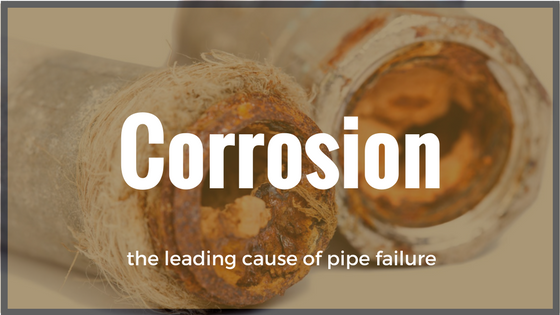
Do you know the why behind water pipe failure? When potable water and drain lines are installed in your building, they are clean and free of debris, and most types of plumbing pipes have an average life expectancy of between 20 and 75 years, depending on usage levels, the type of material and the quality of the water flowing through them.
When you manage a condo in Chicago, you want your building’s systems to run reliably, but what happens when a plumbers pipe assessment reveals that your plumbing system is severely corroded and at risk of flooding your condo? As a responsible property manager or superintendent, you presented this information to your board members. Unfortunately, your board members may believe that the plumbing repairs can wait, or that your pipes are not as severely damaged as the report suggests. In this instance, you will need to dig deeper in order to convince your board that creating a timeline for the restoration of your plumbing pipes are in the best interest of your building and its residents.

Do you have polybutylene piping in your Chicago residential building? If you do, you may want to schedule an inspection and start making a plan for its replacement. Polybutylene water pipes are extremely susceptible to chlorine corrosion. Over time, the pipes degrade from the inside out, leading to leaks and catastrophic failures.
When it comes to maintaining the pipes in your high-rise residential building, should you choose a plumbing predictive maintenance plan or a preventative maintenance plan? If you already have a preventative maintenance plan, you are doing good, but taking that plan up a notch and turning it into a predictive maintenance plan can further help you avoid unexpected major repairs.

Pipe lining is a trenchless technology that can extend the useful life of your pipes and stop pinhole leaks and leaks at the joints and seams. It’s even been known to restore severely corroded pipes. However, if the liner and pipe are not prepared correctly, the liner may experience a loss of adhesion, which would significantly reduce its expected lifespan and function.
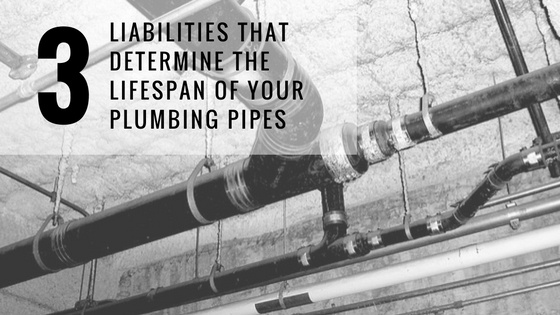
How durable is the plumbing system of your multi-unit residential high-rise in Chicago? While most plumbing pipes are designed to last between 20 and 70 years, the installation, pipe material and composition of your municipal water can have a negative or positive effect on the lifespan of your potable water and drain lines. Let's take a close look at each of these plumbing pipe liabilities.
When it comes to your plumbing pipes, it is imperative that you know the details of your system before it starts failing. Water damage from leaking pipes can lead to mold, mildew and even fungus growth, which could negatively impact your residents’ health. It also wastes water and increases water bills. The EPA estimates that 1 trillion gallons of water are wasted each year as a direct result of leaking water fixtures and pipes. Thankfully, you can prevent these catastrophes.
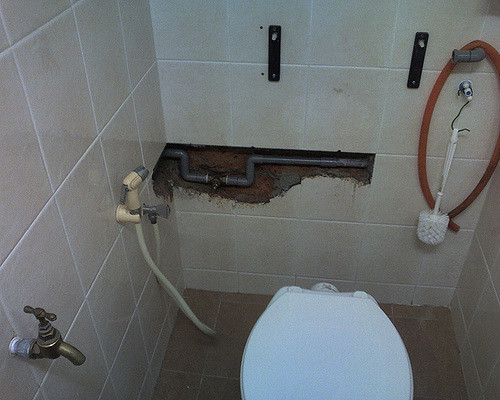
When the plumbing pipes of your residential highrise building in Chicago reach the end of their useful lives, you may be torn between traditional method of pipe replacement and trenchless pipe restoration. The type of plan you choose for your pipes will largely depend on your budget and the benefits and drawbacks for your building, residents and board members.
If you are a property manager or owner of one of the 600 apartment buildings, condos or co-ops that has a membership with ABOMA or a Chicago property manager that will soon be in control of one of the 40 new Chicago highrises that are currently being built, you are probably wondering how to avoid large-scale plumbing repairs and plumbing mistakes. The first step to preventing plumbing mistakes is understanding the most common plumbing errors performed in multi-unit, high rise residential buildings.
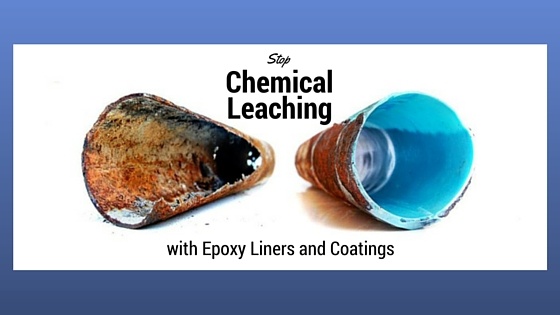
When it comes to restoring the plastic potable water pipes in your apartment building, condo or co-op in Chicago, you want to be assured that the epoxy liners are safe and will not leach chemicals into your resident's drinking water. All epoxy coatings and liners that are to be used for potable water lines must go through rigid testing and meet or exceed certain safety standards. By contrast, plastic pipes, especially PVC, often leach chemicals into drinking water.