


As a multi-unit residential building manager in Chicago, the health and well-being of your residents is of paramount importance. One way to keep your residents comfortable and healthy is by preventing PVC pipe leaks. Water leaks caused by your plumbing system can lead to the build-up of mold and mildew, which can cause respiratory problems in your residents, as well as thousands of dollars in damage and the need to turn off your water while your plumbing system being repaired.
When it comes to choosing copper vs. plastic water plumbing pipes, one of the things you need to take into consideration is the durability of each type. Copper has been used since the late 1940s and gained wide popularity in 1963. Plastic piping was first manufactured in the 1960s but wasn’t widely used until the early 1990s.
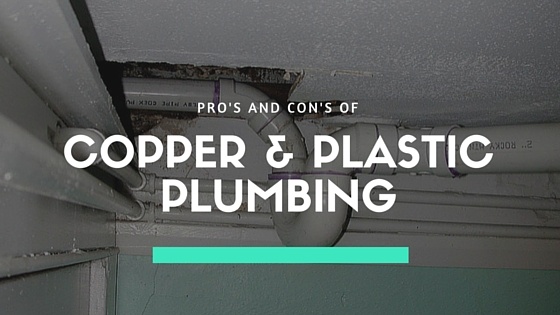
There are two primary types of plumbing pipes used in multi-family residential buildings today: copper and plastic. Older buildings typically have copper pipes while newer buildings and new construction typically have plastic pipes. As a Chicago property manager, it is up to you to understand the types of plumbing pipes in your building, their longevity and their benefits and drawbacks so that you can schedule timely preventive maintenance and repair services.

When it comes to restoring the plastic potable water pipes in your apartment building, condo or co-op in Chicago, you want to be assured that the epoxy liners are safe and will not leach chemicals into your resident's drinking water. All epoxy coatings and liners that are to be used for potable water lines must go through rigid testing and meet or exceed certain safety standards. By contrast, plastic pipes, especially PVC, often leach chemicals into drinking water.
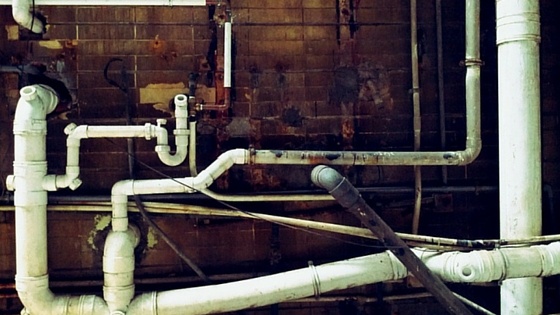
While CPVC and PVC pipes are designed to last for decades, there are certain environmental factors that can cause them to fail prematurely. CPVC and PVC have a lot of the same characteristics and are manufactured very similarly. However, CPVC has a greater temperature range, which means it is better suited for hot water lines. CPVC also has a greater chlorine content than PVC because of the way it is manufactured.
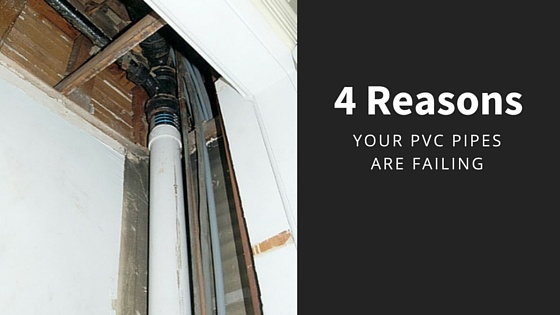
Did you know that there are more than 40 high-rise projects occurring in Chicago right now? All of those buildings will need water supply lines and drain lines, and more often than not, contractors are opting to go with PVC, which is the acronym for Polyvinylchloride. Building contractors and engineers have several viable reasons to choose PVC over copper, brass, iron and galvanized steel. The biggest benefit is that PVC is corrosion resistant. The second biggest benefit is cost. It is often much cheaper to plumb a building with PVC than it is with any other material. Unfortunately, PVC is not without its drawbacks.