

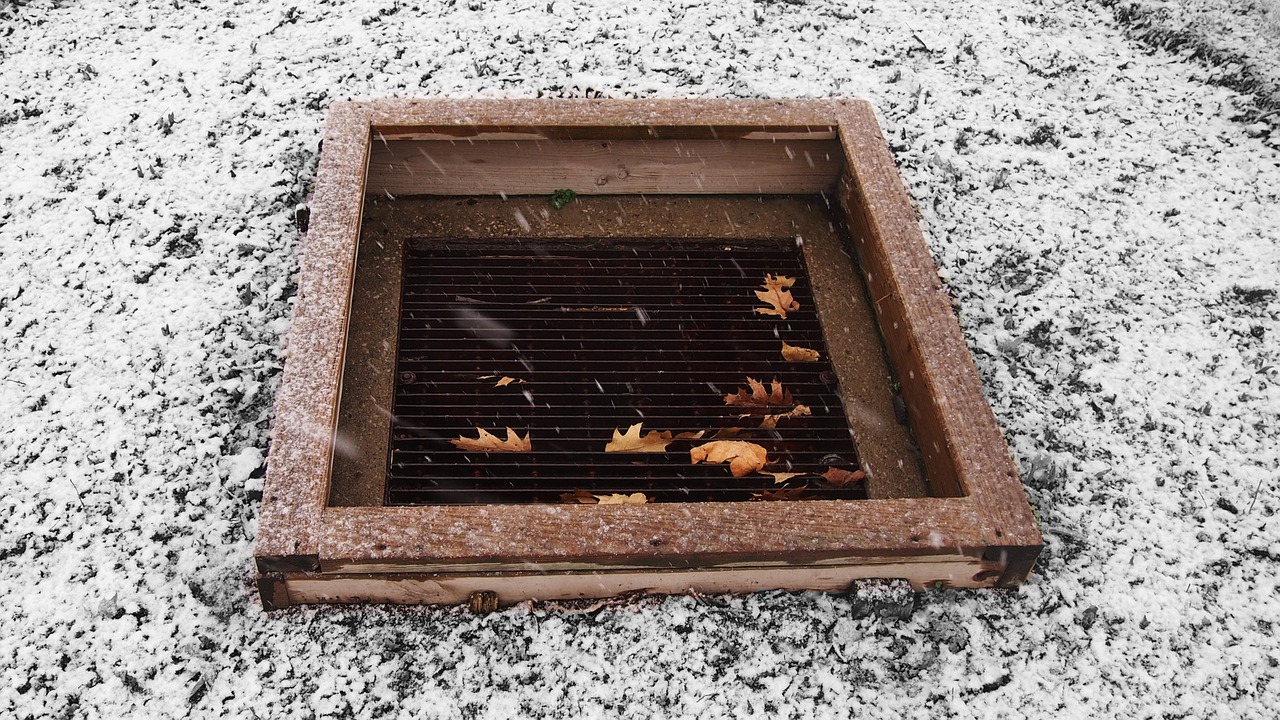
When is the last time you had your storm drains inspected? The storm drains on your commercial or residential property are what funnel rainwater and melted snow and ice from your property into the Chicago storm drains. Unfortunately, storm drains on private and commercial property can become clogged with numerous different types of debris, including ice melt, dirt, mud, twigs, plastic bags and trash. If they become clogged due to the debris, your property could experience a flood from backed-up stormwater.
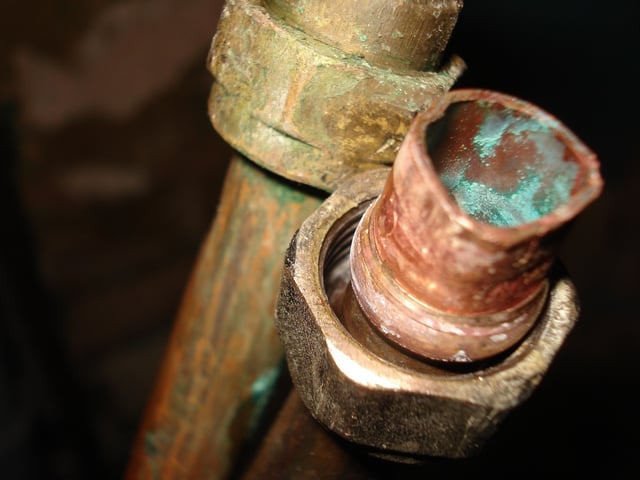
CIPP rehabilitation is an effective way of restoring most types of potable water and drain lines in Chicago. However, the type of pipe material and the condition of that material must be known prior to installation so that proper preparation procedures can be followed.
Cleaning your plumbing pipes safely and effectively means using a power jetter, also called a hydrojetter, but which type do you choose to clean your sanitary piping? Power water jetters are fueled by either gas or propane, and when you choose a contractor to clean and restore your plumbing pipes, do you choose one that offers gas power-jetting or one that has a propane powered-jetter?
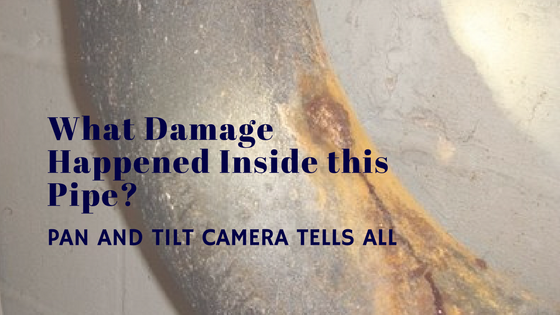
When you get a plumbing pipe inspection, your plumbing contractor should have a modern location and leak detection camera that can see the top, bottom and sides of the plumbing pipes. Without an advanced camera, the plumber may not be able to detect all of the problems with your pipes, which could lead to an inaccurate description of your plumbing system.

How familiar are you with the plumbing pipes in your multi-tenant building in Chicago? If you haven’t given them much thought aside from random plumbing maintenance, now is a good time to get a whole building plumbing inspection. These inspections are designed to tell you everything about your pipes, including their age, corrosion levels and the remainder of their useful lives.
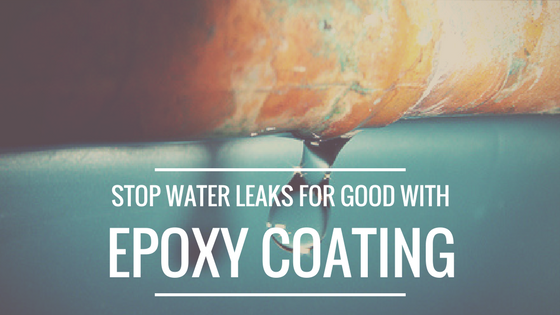
Did you know there was a way to repair and restore your old copper water lines without completely replacing them? The solution is an internal epoxy coating, which is a thick fluid that coats and seals water pipes to stop leaks and prevent future leaks.
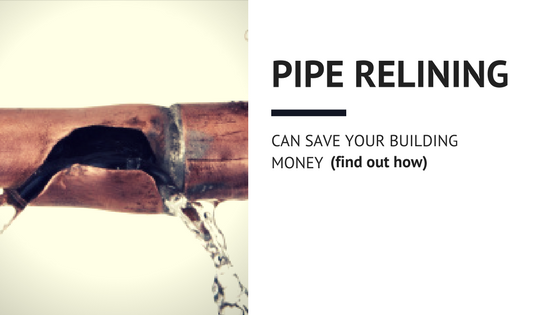
When is the last time you priced drywall repair costs for your multi-story, residential high-rise in Chicago? If you haven’t you may be in for a shock. Many property managers, superintendents and condo and co-op board members often feel sticker shock when they start the process of assembling drywall bids after getting their pipe replacement bids. This is because the cost of installing and repairing drywall after a total pipe replacement can be more than the cost of the plumbing system replacement.
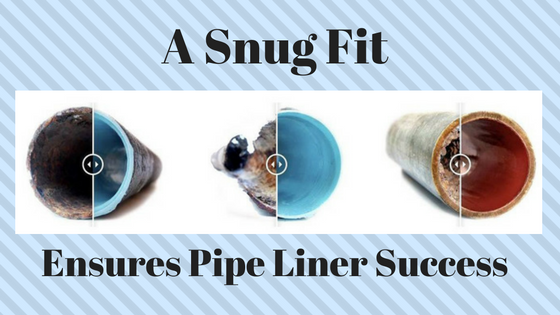
When it comes to trenchlessly repairing your drain lines or vent stacks with Pull-in-Place or Cure-in-Place pipe liners, proper pipe preparation, liner preparation and installation procedures are essential in order to prevent a pipe lining failure. In fact, one of the most important parts of the job is choosing and installing the correct size of liner. This means taking precise measures of the inside diameters of your pipes and choosing a liner that will fit snugly against the inside pipe without being too narrow or too wide.
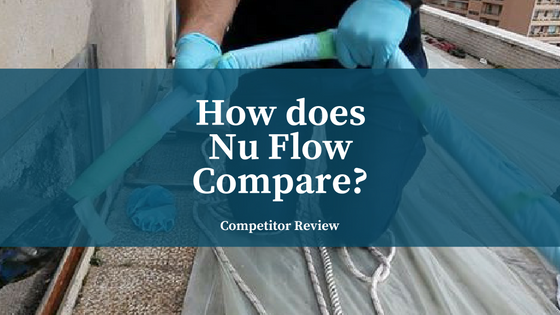
Here at Nu Flow, we receive many questions from potential customers. One of those questions usually revolves around how we are better or different than our competitors, and if you’ve looked around while trying to choose a pipe-lining company, you know that some competitors include CuraFlo and DuraFlow, which each use their own pipe restoration process, products and techniques.
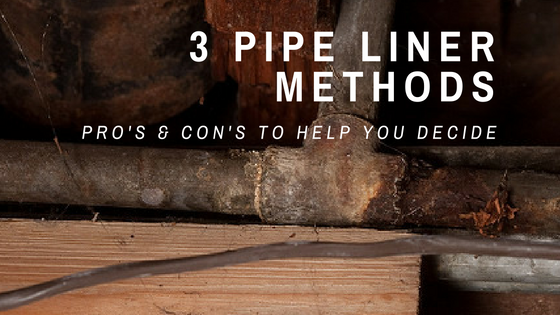
When plumbing pipes start to corrode and degrade, they form pinholes, which leak. As the pipes continue to age, those leaks get bigger and start damaging the internal structure of your building. One solution to leaking pipes is to coat them or line them with a specialized material, like epoxy, polyurethane or polyethylene. This prevents leaks and extends the useful life of your plumbing pipes, but which pipe liner method is right for your Chicago building?