

According to Research and Markets, CIPP pipe lining is forecast to be worth $2,486.5 million by 2022. This is due to an increasing demand for less invasive pipe rehabilitation techniques as building owners and cities struggle with aging plumbing pipes and crumbling infrastructure.
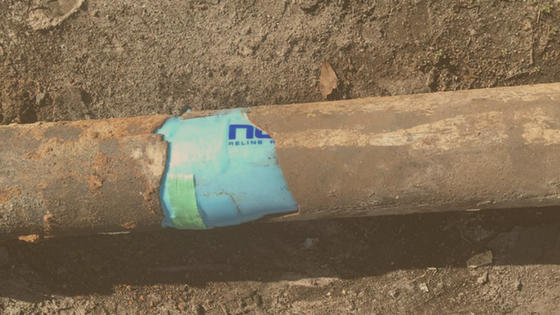
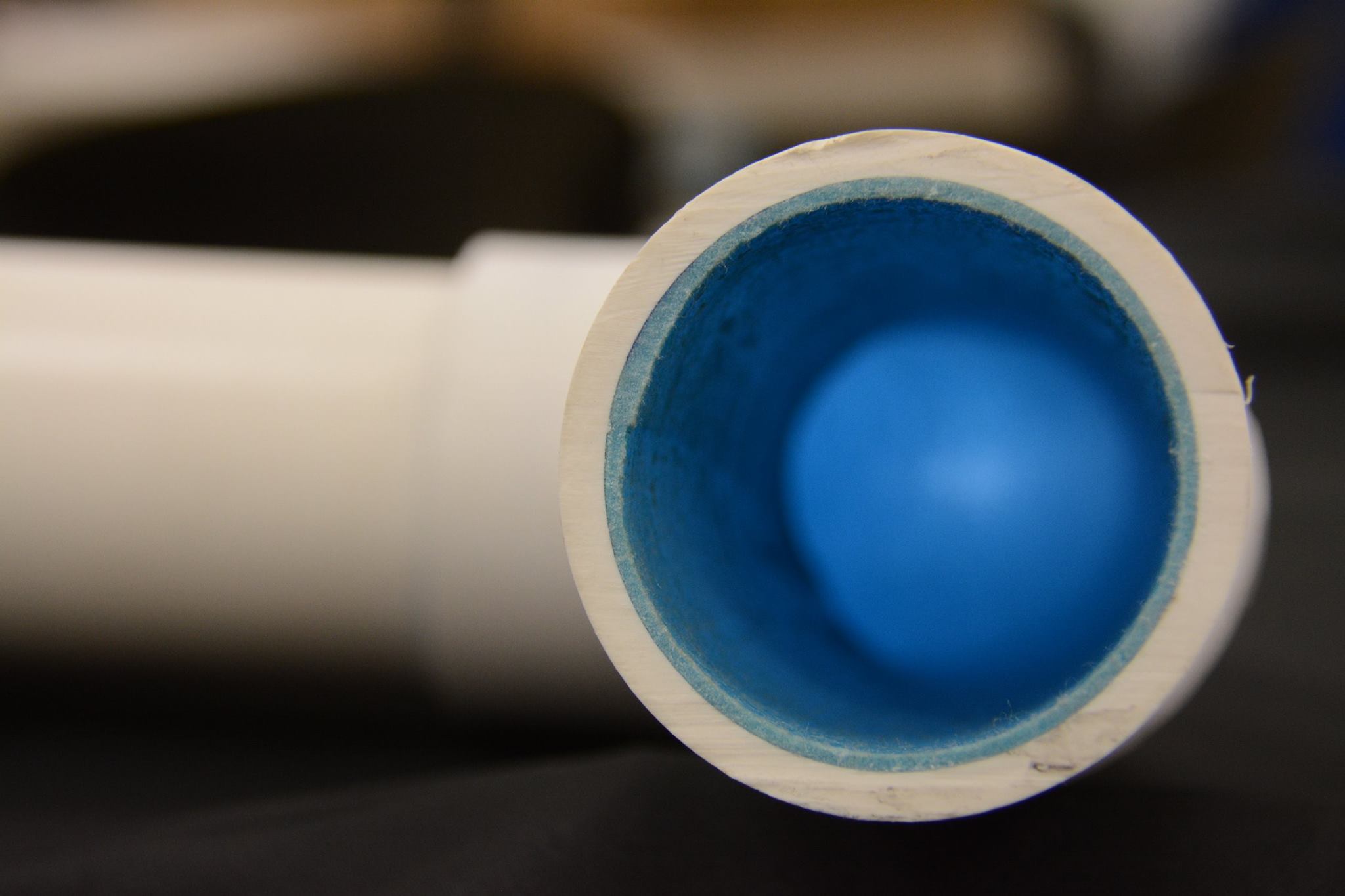
If you are considering lining the plumbing pipes of your Chicago building with an epoxy coating or resin, you may be concerned about the safety of the resin lining as it applies to chemicals leaching into your drinking water, specifically BPA. Epoxy resins, including coatings and epoxy lining materials, have been rigorously tested and approved for use on potable water lines and drain lines.
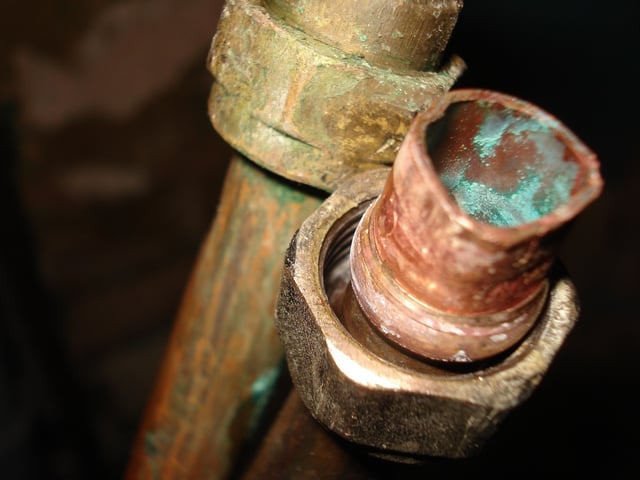
CIPP rehabilitation is an effective way of restoring most types of potable water and drain lines in Chicago. However, the type of pipe material and the condition of that material must be known prior to installation so that proper preparation procedures can be followed.
Most property managers, facility managers and superintendents take their potable water system for granted unless there’s an obvious problem, like water spots on ceilings or low water pressure. Unfortunately, water leaks from corroded pipes can cause lots of damage in a short about of time. This is why it is important to understand the operating conditions of your plumbing pipes along with their expected useful lives so that you can perform timely plumbing maintenance.
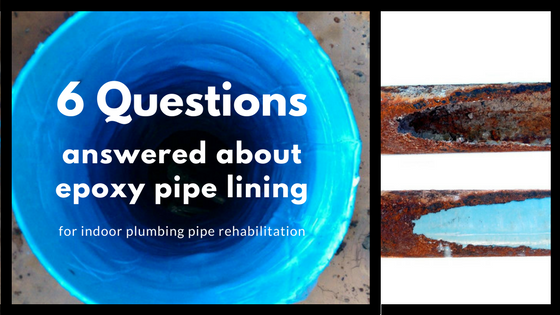
Are you having trouble with your indoor plumbing pipes? If you’ve noticed the need for increased plumbing pipe repairs and emergency plumbing services, your pipes may be nearing the end of their useful lives. Thankfully, plumbing rehabilitation via CIPPand PIPP liners can restore your plumbing pipes and provide you with years of reliable service.
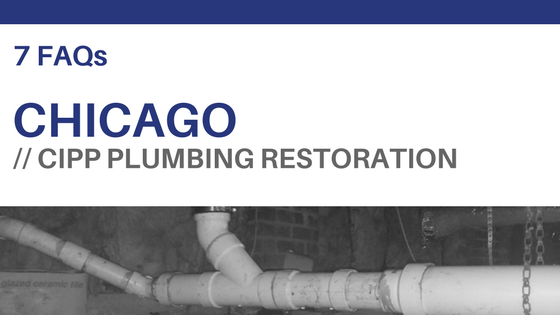
Did you know that in Chicago property managers can restore their small diameter plumbing pipes with CIPP technology? Cured in place pipe lining (CIPP) can successfully be used for Chicago plumbing restoration without the need to tear out large sections of drywall, damage your costly finishes or create a huge mess that has to be cleaned up after the installation.
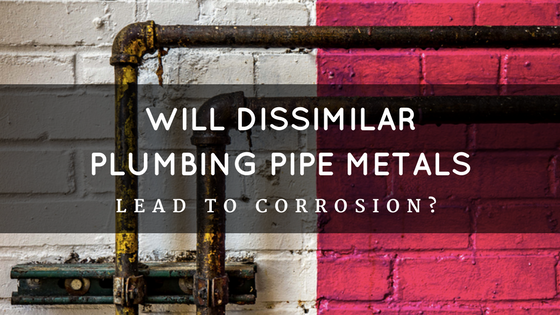
Pipe corrosion is the enemy when it comes to your plumbing system, and while acidic water and plumbing pipe corrosion are two of the biggest threats to plumbing systems, the types of pipe materials within the system can also cause problems. Most notably, dissimilar metals can cause accelerated corrosion under the right circumstances.