

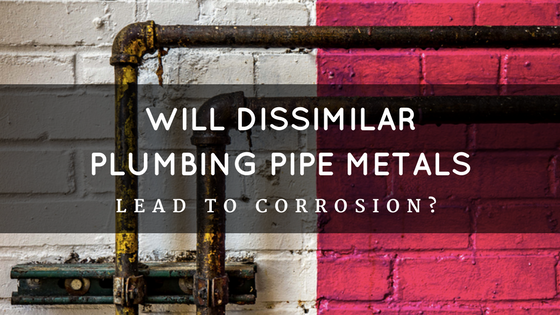
Pipe corrosion is the enemy when it comes to your plumbing system, and while acidic water and plumbing pipe corrosion are two of the biggest threats to plumbing systems, the types of pipe materials within the system can also cause problems. Most notably, dissimilar metals can cause accelerated corrosion under the right circumstances.
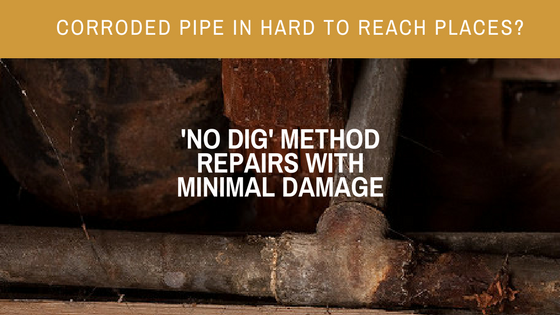
Are you concerned about how to repair copper pipes inside a concrete slab? If you have leaking copper pipes in concrete slab or behind bricks and cinder blocks, you have a right to be concerned. Repaired pipes that are embedded in concrete and located behind masonry can be expensive because the plumber has to dig or drill through the surface in order to reach your pipes. Once the pipes are repaired, you’ll have to hire another company to fix the damage to the concrete and/or masonry, which can be extremely costly. Thankfully, there is a no dig option when it comes to repairing copper pipes in hard to reach locations.
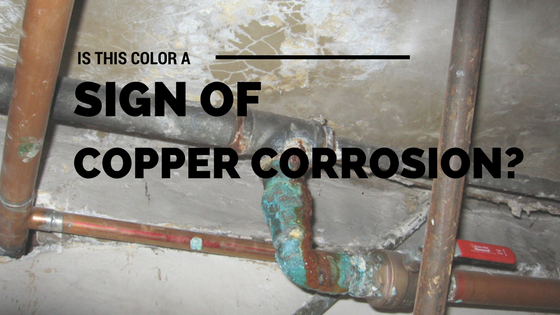
If you’ve noticed your copper pipes changing color, it could indicate that your pipes are corroding and reaching the end of their useful lives. Signs of copper pipe corrosion often include a change in color of the pipes and/or a change in water color. If these signs are followed by a noticeable drop in water pressure, you may already have leaks.
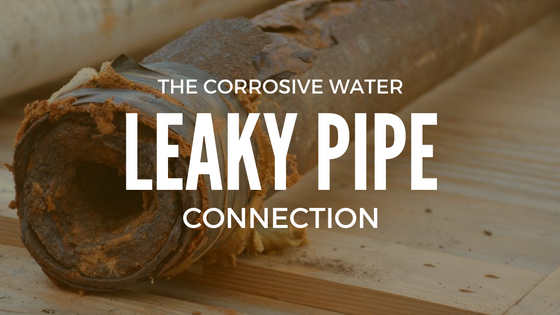
You’ve probably heard that water is the ultimate solvent. Given enough time and enough flow, water has the potential to dissolve anything, including rock. When it comes to the metal plumbing pipes in your building, you should keep watch for corrosive water, which is water that has a pH of less than 7. Water with a pH value of less than 7 is typically considered corrosive or acidic water.
When it comes to choosing copper vs. plastic water plumbing pipes, one of the things you need to take into consideration is the durability of each type. Copper has been used since the late 1940s and gained wide popularity in 1963. Plastic piping was first manufactured in the 1960s but wasn’t widely used until the early 1990s.
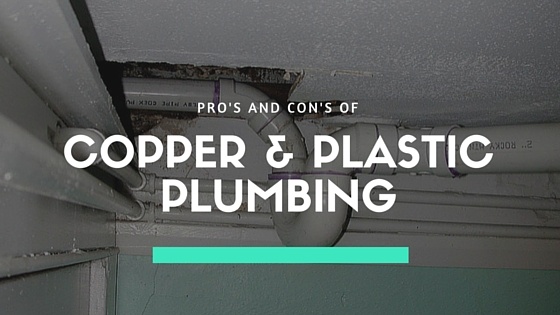
There are two primary types of plumbing pipes used in multi-family residential buildings today: copper and plastic. Older buildings typically have copper pipes while newer buildings and new construction typically have plastic pipes. As a Chicago property manager, it is up to you to understand the types of plumbing pipes in your building, their longevity and their benefits and drawbacks so that you can schedule timely preventive maintenance and repair services.
According to the WSSC, copper piping is the most commonly used material for residential water supply lines. Copper piping first became available in the 1920's but it took another 19 to 25 years before it became widely used. The popularity of copper is due to its relatively long lifespan. Homeowners and multi-unit property managers can expect their copper pipes to last at least 20 years. However, it is not uncommon for copper pipes to last as long as 30 years before they start developing copper pipes leak, a.k.a. "pinhole leaks" and corrosion.