

According to Research and Markets, CIPP pipe lining is forecast to be worth $2,486.5 million by 2022. This is due to an increasing demand for less invasive pipe rehabilitation techniques as building owners and cities struggle with aging plumbing pipes and crumbling infrastructure.
David Wiley

Recent Posts
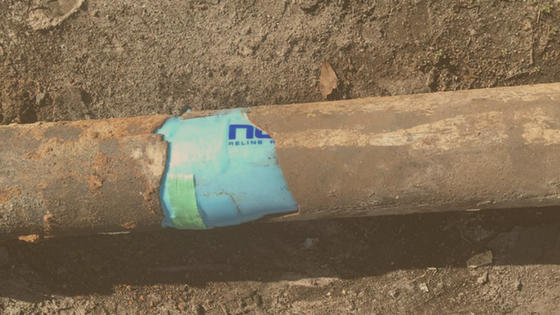
Did you know that a small leak in your home can waste as much as 90 gallons of water each day, according to The Energy Collective, and leaks can come from anywhere, including leaking faucets and toilets and slab leaks. In fact, one of the worst leaks to have is a slab leak. They are difficult to find and can be difficult and expensive to repair.
How often do you think about your building’s plumbing system? If it is working as expected, you probably haven’t thought about it. If more than one of your residents have complained about a clogged shower, overflowing toilet or slow moving sink, you might be wondering about the state of your multi-unit residential building’s plumbing system.
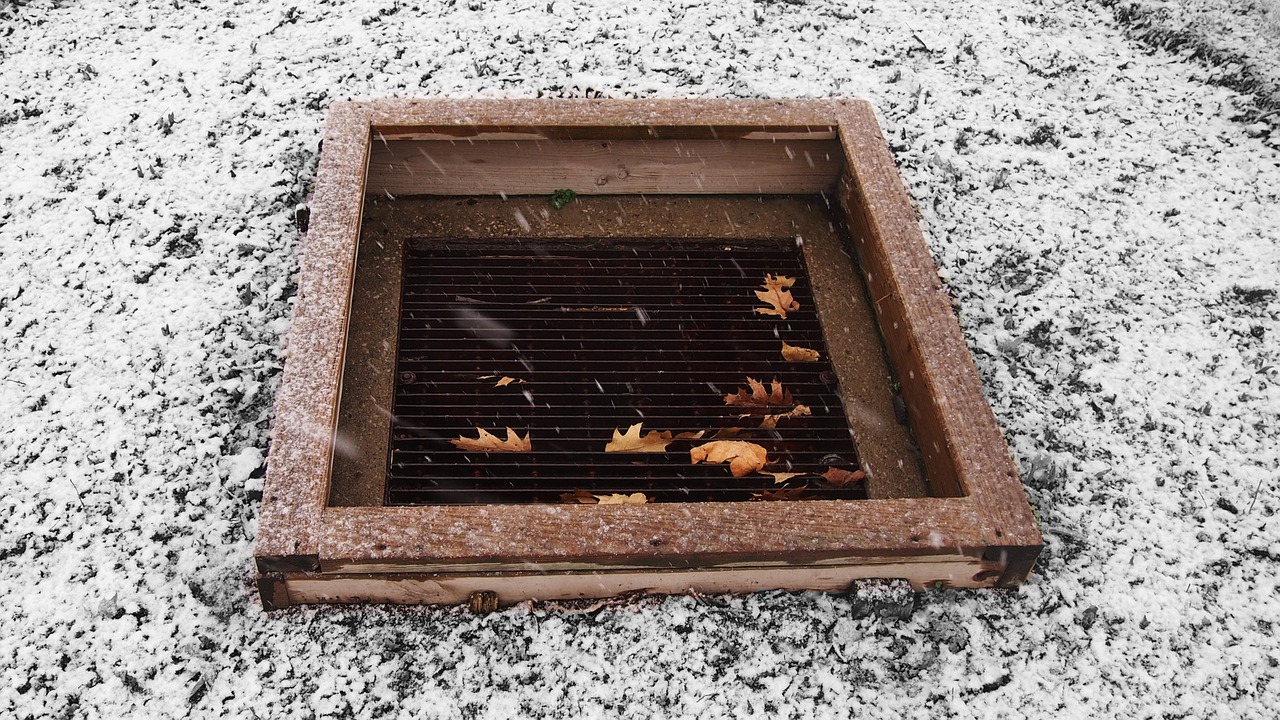
When is the last time you had your storm drains inspected? The storm drains on your commercial or residential property are what funnel rainwater and melted snow and ice from your property into the Chicago storm drains. Unfortunately, storm drains on private and commercial property can become clogged with numerous different types of debris, including ice melt, dirt, mud, twigs, plastic bags and trash. If they become clogged due to the debris, your property could experience a flood from backed-up stormwater.
Do you know the status of the drain, waste and vent (DWV) pipes located within your Chicago facility? Many of these pipes, especially the ones located in the ground or within industrial buildings are constructed out of metal, like cast iron or steel, and while they can last an exceptionally long time, they are prone to corrosion, like rusting, scaling and particulate matter build-up.
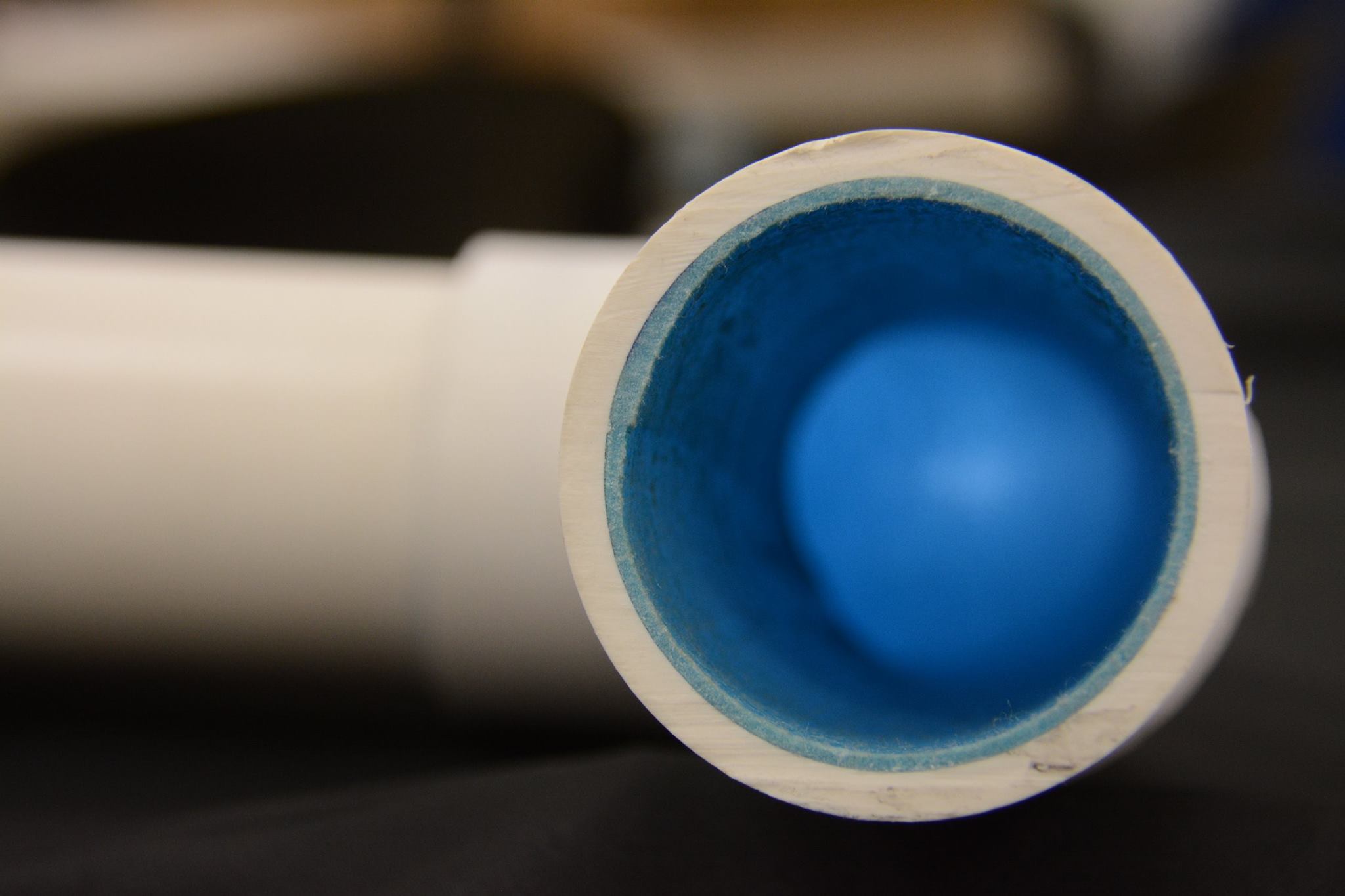
If you are considering lining the plumbing pipes of your Chicago building with an epoxy coating or resin, you may be concerned about the safety of the resin lining as it applies to chemicals leaching into your drinking water, specifically BPA. Epoxy resins, including coatings and epoxy lining materials, have been rigorously tested and approved for use on potable water lines and drain lines.

Are you worried about corrosion in your plumbing pipes? Corrosion occurs due to a variety of factors, including acidic water, sitting water and extremely high water pressure. It is important to understand that corrosion most commonly occurs in metal pipes, including copper, galvanized steel, cast iron and brass. Lining metal plumbing pipes with epoxy coatings and liners can prevent future corrosion.
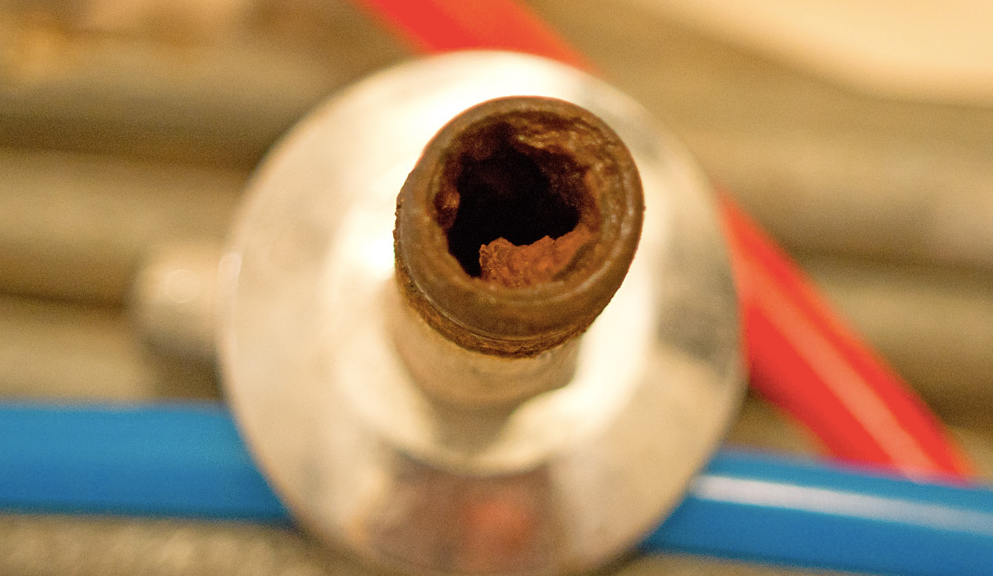
Have you noticed some problems with your plumbing system or received an increase in plumbing related calls in your multi-family residential building in Chicago? If you have, it may be time to start thinking about pipe lining to repair your worn pipes.
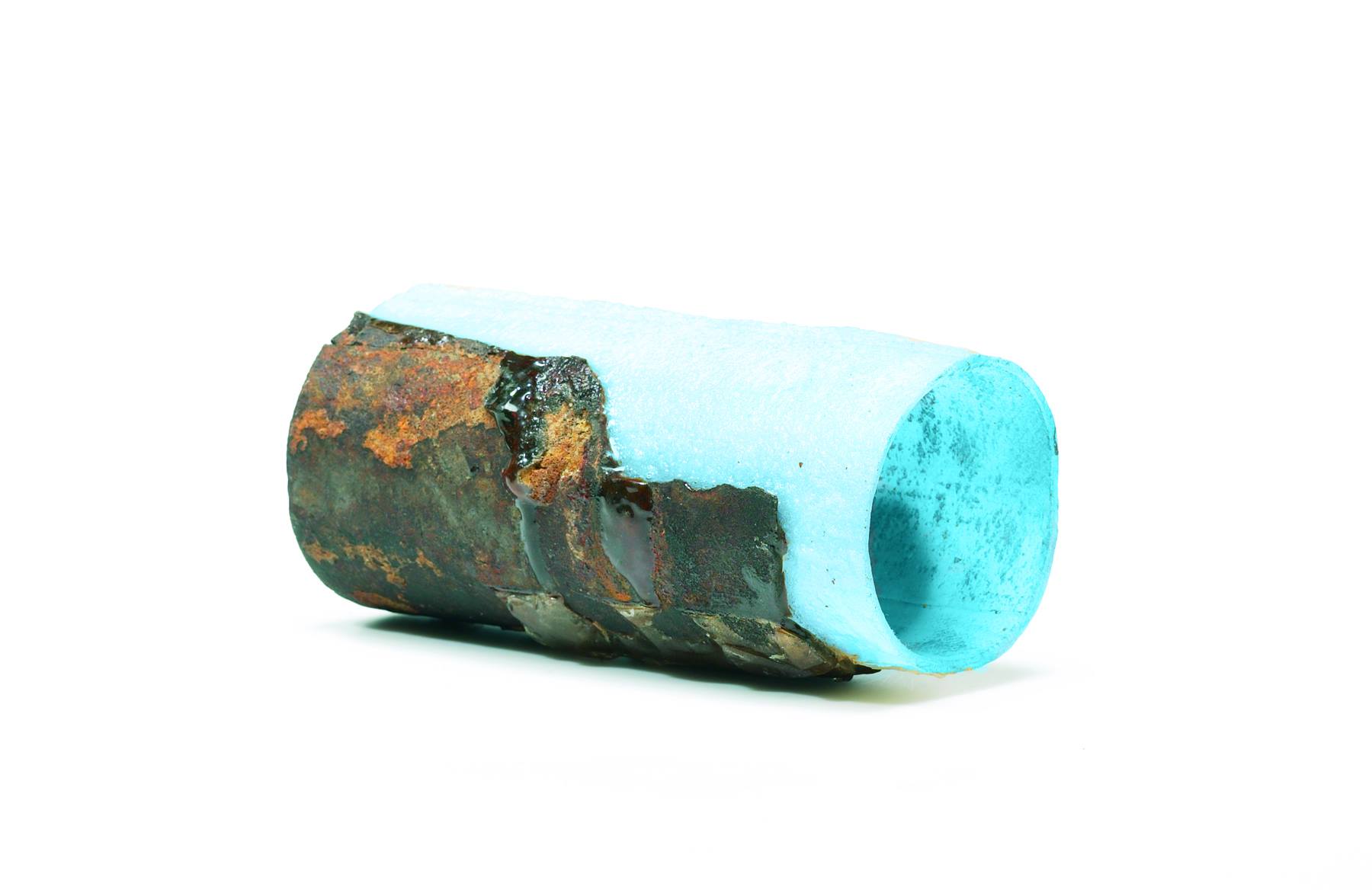
In your quest to find a durable pipe repair method, you may have come across some common epoxy pipe lining reviews that have discouraged you from the process. Here are the four most common epoxy pipe lining reviews we have come across, why they happen and then an explanation of how Nu Flow Midwest in Chicago addresses these reviews through our attention to detail during the coating process.
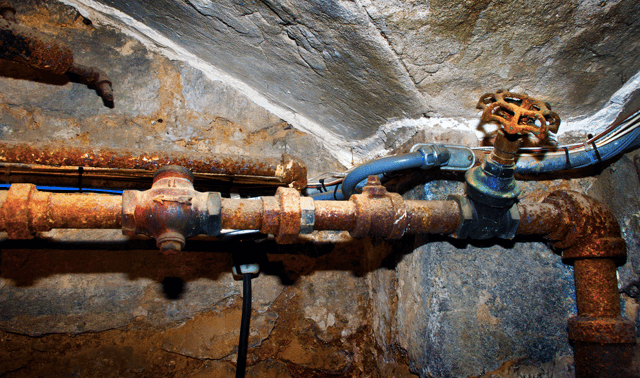
Plumbing systems are comprised of pipes, fittings, couplings and valves. All of these pieces work together to help ensure that your plumbing system is safe and reliable. Unfortunately, with time, plumbing pipes, fittings, couplings and valves can wear out and corrode. When this happens, you may be considering epoxy pipe lining as a viable solution. Upon contemplating the installation of an epoxy pipe liner or coating, you may start to wonder what happens to your valves and couplings before, during and after the process.