

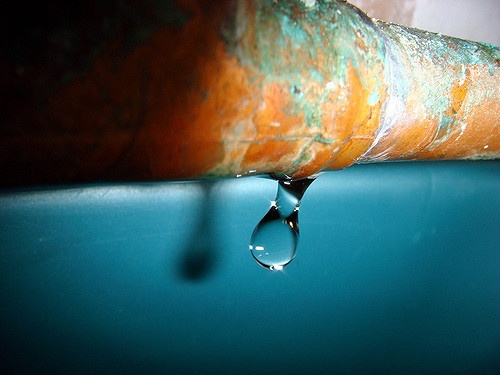
According to the EPA, household leaks, by themselves, waste more than 1 trillion gallons of water each year. Now imagine what the water waste would be if multi-unit residential buildings and commercial buildings were added into that statistic. It is estimated by the EPA that homeowners can save 10 percent on their water bills by finding and stopping leaks through leak detection and plumbing repair or replacement services. It is quite likely that you could save at least 10 percent on your water bills by fixing all the leaks in your building.
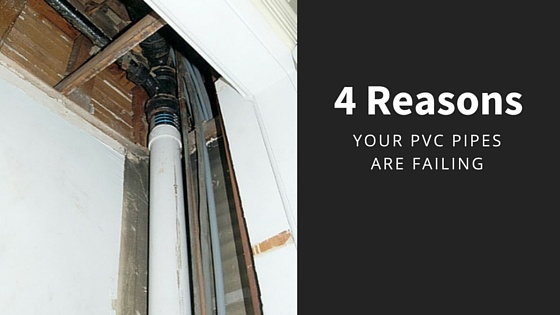
Did you know that there are more than 40 high-rise projects occurring in Chicago right now? All of those buildings will need water supply lines and drain lines, and more often than not, contractors are opting to go with PVC, which is the acronym for Polyvinylchloride. Building contractors and engineers have several viable reasons to choose PVC over copper, brass, iron and galvanized steel. The biggest benefit is that PVC is corrosion resistant. The second biggest benefit is cost. It is often much cheaper to plumb a building with PVC than it is with any other material. Unfortunately, PVC is not without its drawbacks.

As a Chicago property manager, it is very important that you stay up-to-date on your building's infrastructure. While water supply lines and drain pipes do last decades, they do not last forever. This has never been so relevant as it is today. America's aging infrastructure is a huge problem in all states. The entire country averages a D when it comes to drinking water and wastewater. A “D” means that the system is poor and at-risk for a failure. The state of Illinois received a C- for drinking water and a D+ for wastewater.