

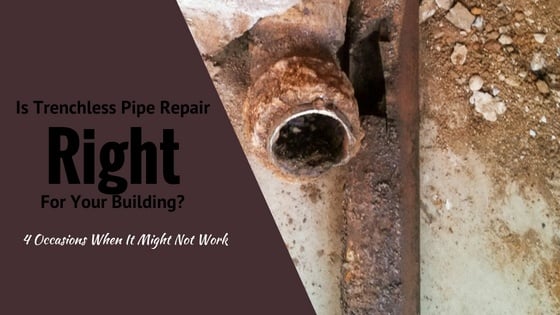
Trenchless pipe repair is a great, affordable option that allows you to fix your plumbing pipes without breaking through walls and digging up your landscaping. However, there are certain instances where trenchless pipe repair may not be your best option.

There are many benefits to having your pipes lined, especially if the plumbing pipes inside your multi-unit residential building in Chicago are experiencing an increase in pinhole leaks. Choosing to line your pipes is more affordable. It doesn’t require tearing out large sections of drywall and other finishes, and it’s faster than repiping your building. However, the pipe liner must be installed correctly to ensure maximum adhesion of the pipe liner to your existing pipes.
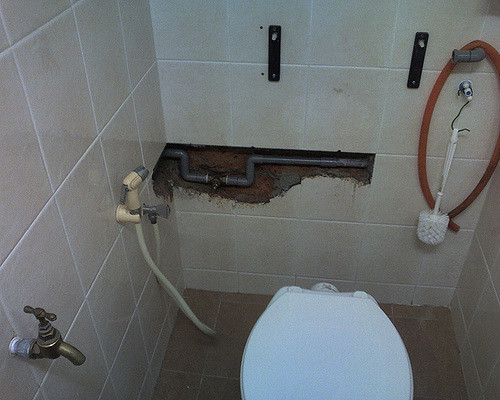
When the plumbing pipes of your residential highrise building in Chicago reach the end of their useful lives, you may be torn between traditional method of pipe replacement and trenchless pipe restoration. The type of plan you choose for your pipes will largely depend on your budget and the benefits and drawbacks for your building, residents and board members.
There are two primary types of plumbing pipes used in multi-family residential buildings today: copper and plastic. Older buildings typically have copper pipes while newer buildings and new construction typically have plastic pipes. As a Chicago property manager, it is up to you to understand the types of plumbing pipes in your building, their longevity and their benefits and drawbacks so that you can schedule timely preventive maintenance and repair services.
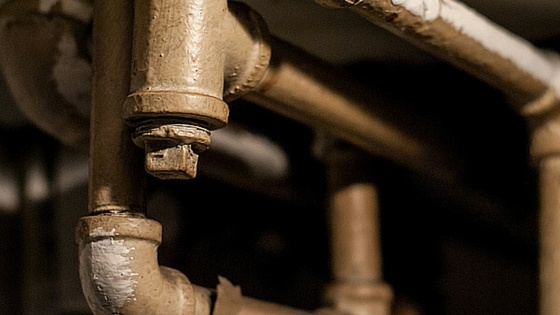
When it comes to restoring the integrity of your aging plumbing system, it’s best to start thinking about and implementing a plumbing restoration plan before your pipes start systematically failing. The first step usually involves talking to your board members, who may or may not be onboard for an expensive repair project. Thankfully, there are ways to present the idea to increase your odds of getting the approval you need.
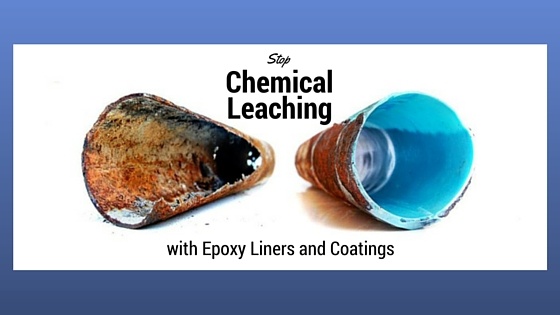
When it comes to restoring the plastic potable water pipes in your apartment building, condo or co-op in Chicago, you want to be assured that the epoxy liners are safe and will not leach chemicals into your resident's drinking water. All epoxy coatings and liners that are to be used for potable water lines must go through rigid testing and meet or exceed certain safety standards. By contrast, plastic pipes, especially PVC, often leach chemicals into drinking water.

As a Chicago property manager, it is imperative that you stay on top of your water supply and drain lines. Failure to have your pipes inspected, repaired, restored and replaced in a timely manner could lead to catastrophic consequences, including pipe blowouts, extensive water damage and high water bills.

Have you considered repairing your worn water supply pipes with structural liners? Trenchless pipe technology has been around since the 1940s, but back then, the “lining” was a coating of cement motor. Today, pipe linings are constructed from polyurea, polyurethane or epoxy. However, none of these plastic-based pipe liners were considered structural until the last decade.
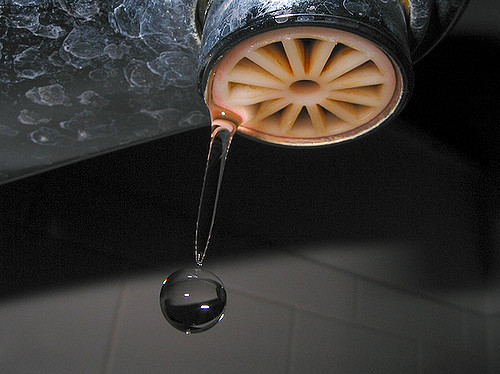
If you are experiencing low water pressure, it could be due to myriad of issues. In a high-rise, it can be caused by inadequate pumping pressure to lift the water upwards. Low water pressure can also be due to pipes that have become corroded so badly that flow is being restricted. But there is another issue that can cause low pressure that can also lead to an impending disaster in your home or building. Low water pressure can be the result of a hidden or unknown leak.

Odds are your Chicago buildings plumbing was constructed using an almost uncountable number of pipe connectors, traps, and elbows. As the years have progressed, this number has likely increased, perhaps significantly. They may have increased due to remodeling or years and years of plumbing repairs. These connectors can be trouble spots for a variety of reasons. They can be a source of leaks because repairs weren't properly done or substandard materials were used. They also can fail due to what is called galvanic corrosion.