


When it comes to your potable water plumbing system, it is essential to understand the components and how they might fail so that you can keep the water flowing in your Chicago building. In general, potable water lines consist of straight runs of pipe and various fittings that are used to change the direction of the pipe, connect two or more pipes or add a shutoff valve.
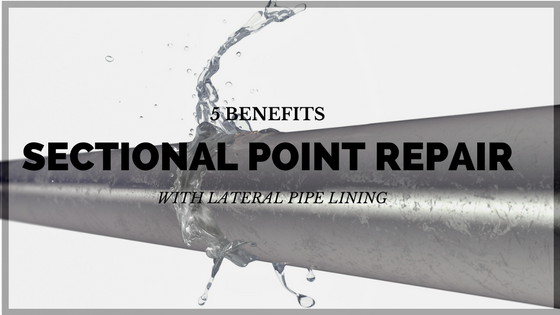
Did you know that entire plumbing pipe runs do not need to be replaced if there is a crack, root infiltration or severe clog? Instead of replacing the entire pipe, a sectional point repair can be performed to remedy the problem. During a sectional point repair, the section of damaged pipe is identified and either removed or cleaned and lined with an epoxy liner. Here at Nu Flow in Chicago, we line damaged plumbing pipes to prevent future corrosion and to extend the pipe’s useful life.
A clog in one of your commercial or residential drain lines is cause for immediate concern. With little to no water flow, the drains connected to that line will start to back-up potentially sending gray and black water across your floors, rugs and carpets, but how should you deal with the problem? One way to deal with a clogged drain is to pour a chemical drain cleaner down the drain, but they may damage your plumbing pipes.
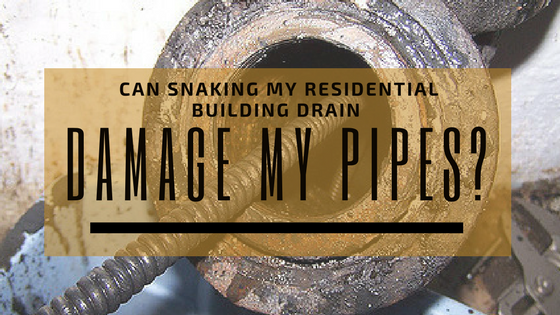
When you get a clog in your plumbing drain pipes, you may be torn on whether to use a plumbing snake or hire a professional plumber to hydrojet your lines. Snakes are designed to twist into clogs and pull them out. When it works, the drain is clear. When the method fails, the clog could end up much worse and/or get pushed farther down the drain line. By contrast, hydrojets break apart and push clogs down the drain line and into the municipal sewer system, which cleans your residential building drain line better than a snake without compromising the structural integrity of your pipes.

If your building was built before 1985, you plumbing pipes are in excess of 30 years old and may be suffering from corrosion, undetected pinhole leaks and longitudinal cracks that have yet to be discovered. Needless to say, when your pipes start aging and leaking, even if it’s just a drip or two every few seconds, it can lead to expensive mold and water damage. As a Chicago property manager, you may think that a facilities assessment would also include your plumbing pipes, but they often do not.

If you’ve been watching the news coverage of Flint, Michigan’s water crisis, you probably have heard that the corrosion in the city’s water pipes is leading to an increase in the number of individuals contracting Legionnaires’ disease. As a property manager or facility manager in Chicago, it is up to you to prevent severely corroded pipes through regular maintenance of your plumbing system.
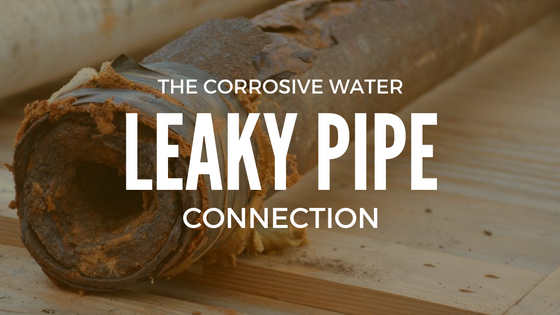
You’ve probably heard that water is the ultimate solvent. Given enough time and enough flow, water has the potential to dissolve anything, including rock. When it comes to the metal plumbing pipes in your building, you should keep watch for corrosive water, which is water that has a pH of less than 7. Water with a pH value of less than 7 is typically considered corrosive or acidic water.
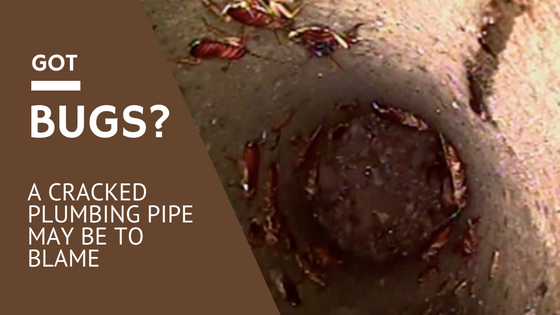
Does your Chicago multi-family residential building have a waterbug problem in spite of regular pest control treatments? If you answered yes to this question, you may have cracked vent and/or drain pipes that are allowing waterbugs in plumbing pipes to enter your apartment building, condo or co-op.
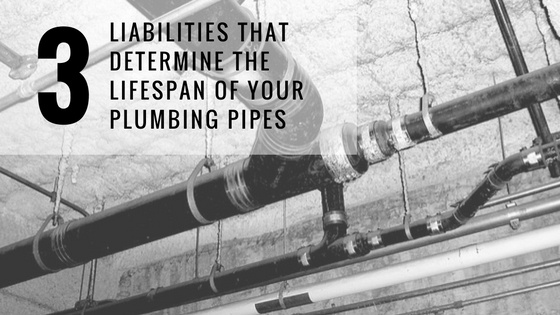
How durable is the plumbing system of your multi-unit residential high-rise in Chicago? While most plumbing pipes are designed to last between 20 and 70 years, the installation, pipe material and composition of your municipal water can have a negative or positive effect on the lifespan of your potable water and drain lines. Let's take a close look at each of these plumbing pipe liabilities.
Because of recent awareness of lead pipes and lead water contamination across the United States, especially in Flint, Michigan, it’s no surprise that the EPA is revising the rules for lead and copper. As a building manager in Chicago, you’ll want to be up-to-date on the changes so that you can make the best decision when it comes to ensuring the safety of your resident’s drinking water.